

By Jeff St. Jean
Published June 20, 2019
I have a personal connection to breast cancer. I also know that I am not alone. It is safe to say that right now you are probably thinking about someone you know who has been diagnosed with this horrible disease.
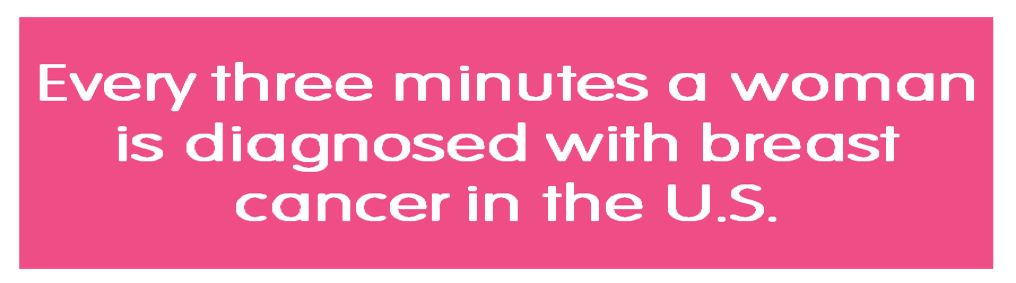
BreastCancer.org tells us that one in eight women (12%) will develop breast cancer over the course of their lifetime. That’s a staggering fact. With facts like this, it’s only natural that we want to help, right?
For many of us, this is a cause that is near and dear to our hearts. Of course, we all want to help! Doing the right thing not only helps the cause, but it makes us feel good!
Well, what better way to feel good than by spreading our message using our very own social media community? This activity even has a name…Cyberactivism.
What exactly is Cyberactivism?
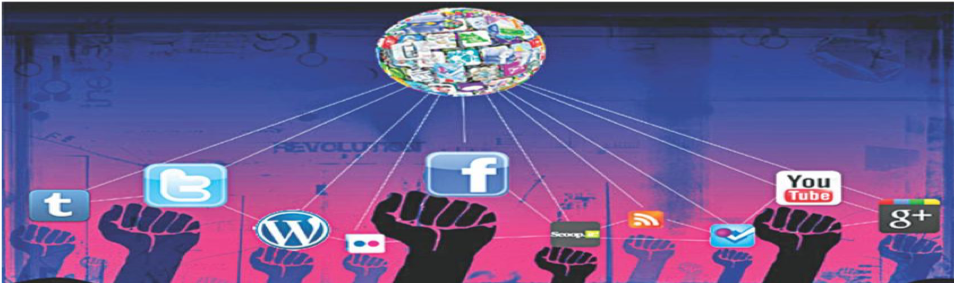
“Cyberactivism is the use of the Internet to promote a particular cause or charity” (Mahoney, 2017)
The use of this powerful social media mobilization allows us to share our activism efforts with our friends and followers by asking them to join us in our cause via social media. What better way to spread the word about breast cancer awareness than to use social media to spread the word? But, what happens when it goes too far?
October is Breast Cancer Awareness Month. This is a cause that most people like to support and many memes are generated on social media during this time in an effort to spread awareness about the disease.
One such meme was a post that requested that women update their Facebook status with the color of their bra and no other text other than their first name (example- Donna, blue, Alexa, tan, etc.) This was designed to confuse men when they logged into Facebook and saw all of these status updates. The idea was to keep them guessing, generate a buzz and in turn garner awareness for breast cancer.
It Didn’t End There…
This was not the only meme like this to spread during Breast Cancer Awareness Month. For the next few years’ females were asked to change their status according to different themes such as where they “like” to keep their purse (I like it in the closet, I like it on the chair, etc.) and another was how long it takes to do their hair in minutes followed by the word “inches” (10 inches, 25 inches, etc.) This was all in the name of raising awareness by inspiring men to ask questions about the status updates.
Does Using This Approach Do Anything To Help The Cause?

#WhatIsYourColor
While it certainly encouraged individuals to participate and share the message, would it encourage you “tell all” in an effort to promote Breast Cancer Awareness? Better yet, why would you share this information?
The problems I see with this campaign being related to Breast Cancer Awareness are many. They include:
- The Facebook meme provided no link to Breastcancer.org or the Susan G Komen Foundation as a way to increase awareness, education and donations to the cause.
- There was no relevance to breast cancer- it was confusing to people who didn’t know about it.
- They were trying to make the cause “sexy” and “fun.” There is nothing sexy or fun about breast cancer. Ask a survivor.
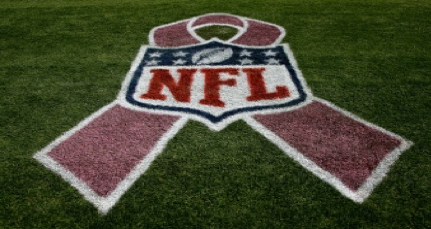
- Is lack of awareness actually a problem when it comes to breast cancer? Virtually everyone is aware of the pink ribbons and October being Breast Cancer Awareness Month. It seems that during October everything from beer to laundry detergent to professional sports are pinkwashed.
- The group that the meme was “targeting” for awareness; men, are actually susceptible to the disease. In fact, in 2019 there are expected to be 2,670 new cases diagnosed in men. Keeping men out of the loop isn’t the message we want to be sending. Even if they do not get cancer themselves, they may end up being a partner, spouse or caregiver to someone who does.
#PinkWash
What Changes Can Be Made to Make a Difference?
Messages need to be tied to real-life experiences. A mobilization action plan can provide ways to entice your audience to become participants and stimulate behavior change. You need to provide resources so they can make informed decisions, treat them like an informed public, and prompt participation through social media. Ways to make changes can be:
- Volunteering time and/or rides to accompany a patient receiving chemo treatments
- Donating money to a cause or charity supporting breast cancer research
- Donate your hair to make a wig for a chemo patient
- Volunteer to sit on a board or foundation that supports breast cancer research
- Join a fundraising walk
Cyberactivism needs to go beyond awareness in order to be effective. The messages need to support the organizations goals. By allowing your audience to generate user content and allowing them to be a part of the process you can transform them into brand advocates.
As I stated at the beginning of my blog today, I have a personal connection to breast cancer. My inspiration for this blog is my cousin, Joan. She was recently diagnosed with breast cancer and is currently undergoing chemo treatments, before having surgery this fall. She is one strong woman and I am so proud of her!
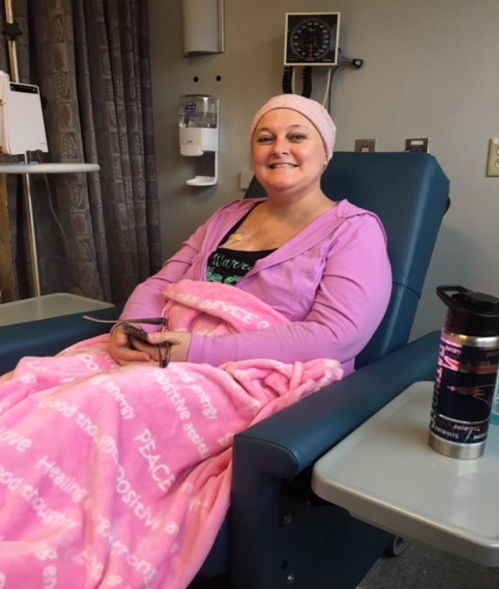
#Round2
#StrongerThanThis

Jeff St. Jean is a marketing grad student with a focus on digital marketing and a social media enthusiast. He is an avid traveler as well as on-line shopper who likes to find non-traditional ways to make his purchases and book his travel experiences.
References:
Community, F. (2012, July 11). Tweets (And More) Of The Week: Bras Gone Viral. Retrieved June 22, 2019, from https://www.forbes.com/2010/01/08/breast-cancer-awareness-facebook-forbes-woman-well-being-bra-color.html#6592872c7463
Mahoney, L. M., & Tang, T. (2017). Strategic Social Media: From Marketing To Social Change(First ed.). Malden, MA: John Wiley & Sons.
Marilisaraccoglobal. (2017, October 09). Pinkwashing breast cancer: Are the pink items you’re buying actually benefiting charity? Retrieved June 23, 2019, from https://globalnews.ca/news/3790022/pinkwashing-breast-cancer-are-the-pink-items-youre-buying-actually-benefiting-charity/
U.S. Breast Cancer Statistics. (2019, February 02). Retrieved June 18, 2019, from https://www.breastcancer.org/symptoms/understand_bc/statistics
Yang, G. (2014, June 09). Guobin Yang. Retrieved June 21, 2019, from http://culturedigitally.org/2014/06/cyber-activism-draft-digitalkeywords/
 Jeff's Blog